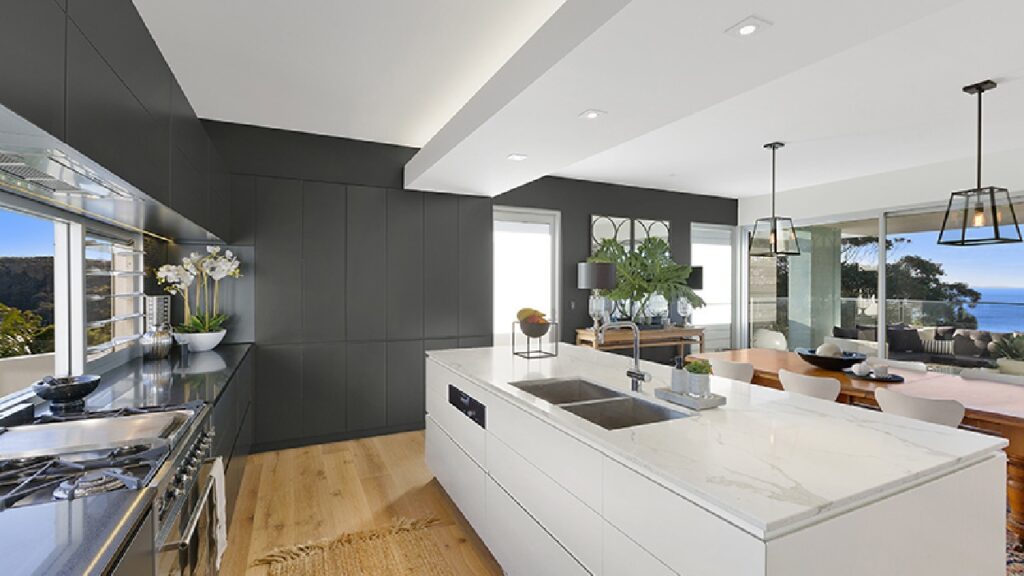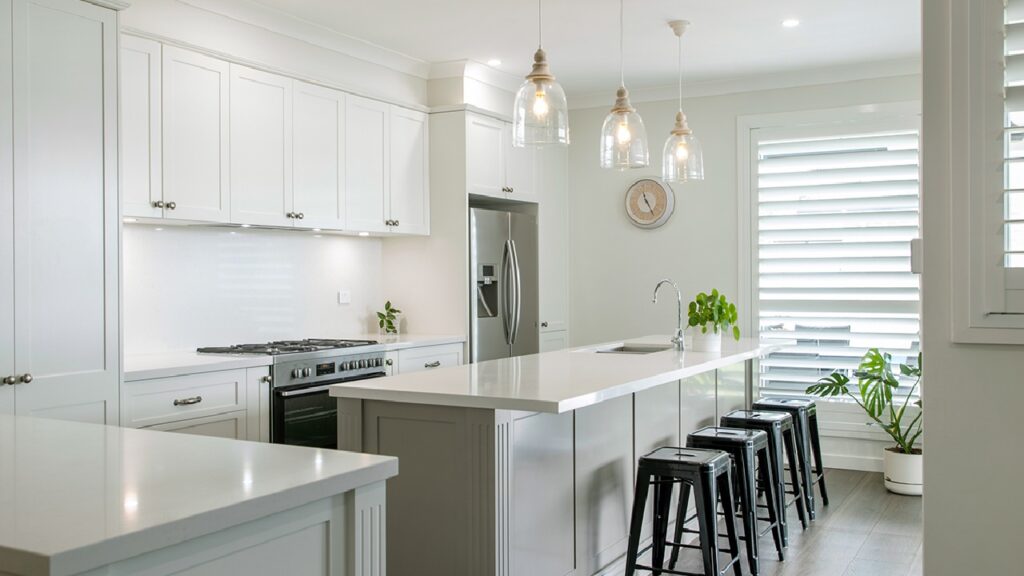


Kitchens are more than just beautiful spaces—they’re functional hubs of activity. Poor layouts, awkward storage, and inconvenient workspaces can turn everyday tasks into a hassle, leaving your kitchen feeling inefficient and uninviting.
The answer lies in an ergonomic kitchen. By prioritising thoughtful design, tailored storage, and efficient layouts, you can transform your space into one that simplifies daily tasks and enhances comfort—perfectly suited to the Central Coast lifestyle.
What Is an Ergonomic Kitchen and Why Is It Important?
An ergonomic kitchen is designed to optimise efficiency and comfort by carefully planning layouts, workflows, and storage. It ensures that your most-used items and appliances are easily accessible, reducing unnecessary movement and physical strain.
Expert Tips for Creating an Ergonomic Kitchen
1. Focus on the Work Triangle
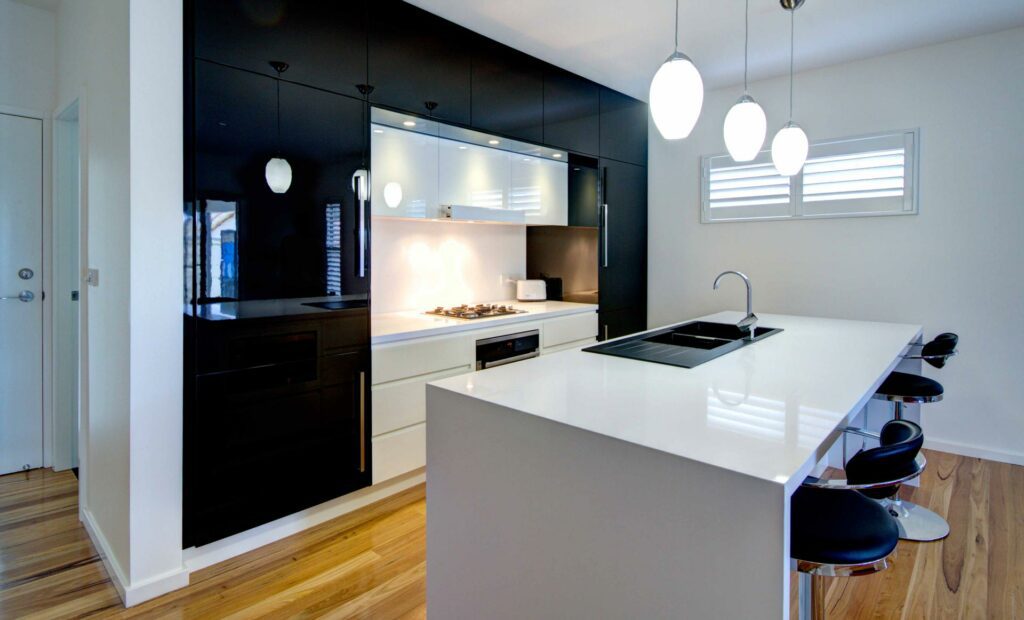
The kitchen work triangle is a design principle crafted to create a more efficient, ergonomic, and enjoyable cooking experience. This design connects the sink, stove, and refrigerator—the three most-used areas in the kitchen.
Here’s some things to keep in mind regarding the work triangle:
- Keep the triangle clear of obstacles
- Maintain balanced distances between each point
- Ensure smooth movement between zones
PLANIT Tip: When planning your kitchen layout, consider creating dedicated zones for tasks like cooking, prepping, and cleaning to maximise functionality and streamline your workflow—discover more about cooking zones here
2. Choose Counter Heights Wisely
Counter height is critical for comfort and preventing strain. As a general rule of thumb, the average working height in a kitchen is normally set as:
- Standard height: 90cm for general tasks.
- Lower height: 75cm for rolling dough or other detailed work.
- Taller height: 105cm for bar-style seating or casual dining.
PLANIT Tip: Use the ‘elbow test’ to find your ideal counter height: when your palms are flat on the worktop, your elbows should form a 45-degree angle. Learn more here about counter height and other kitchen measurements
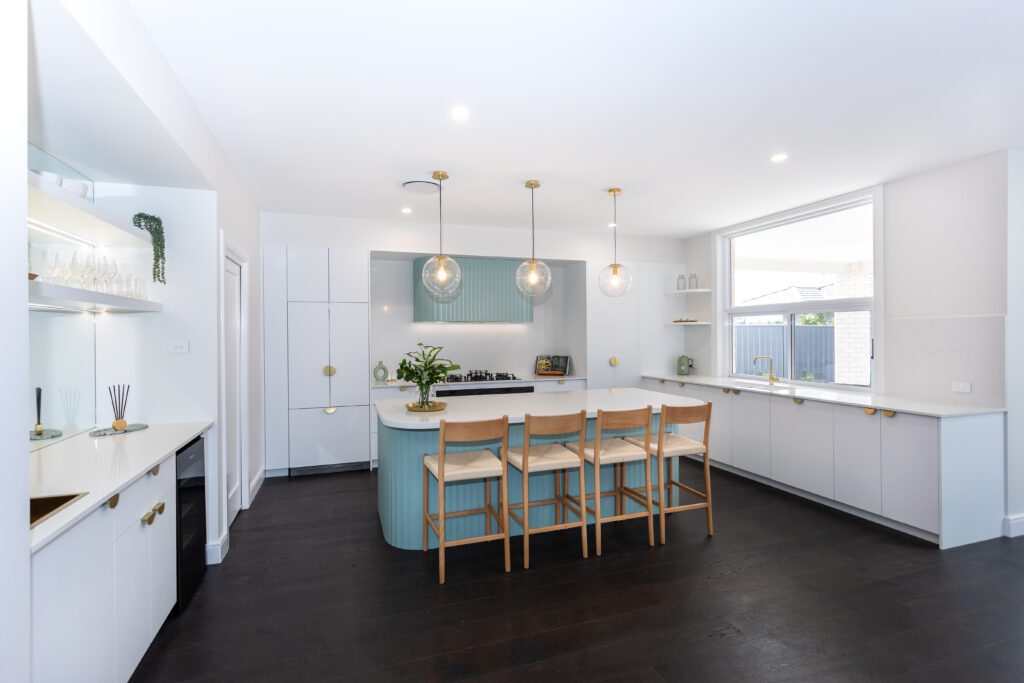
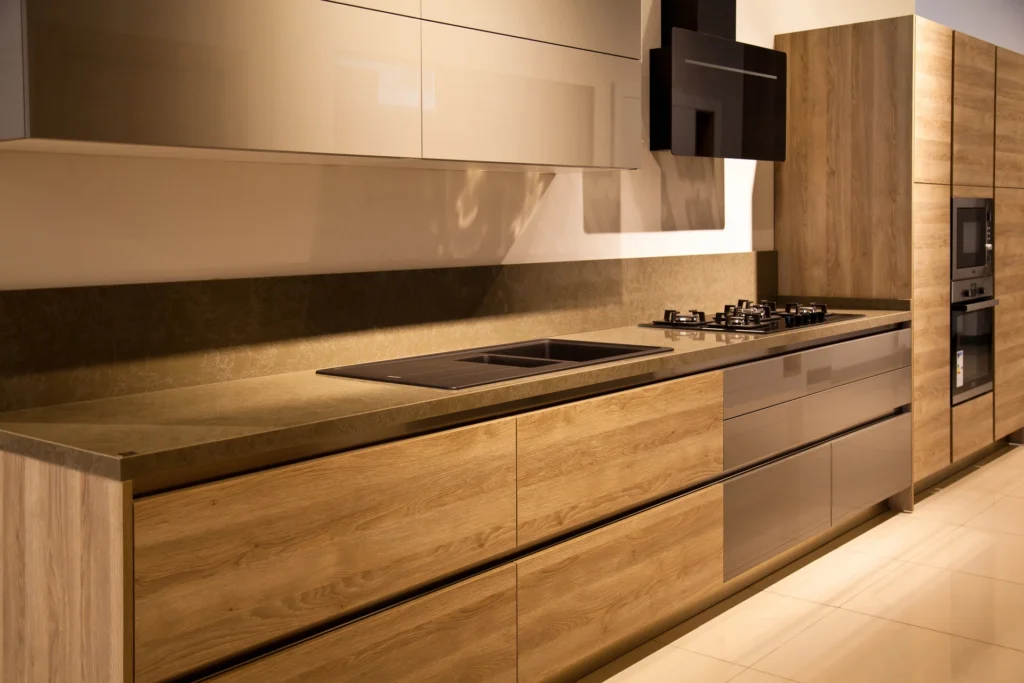
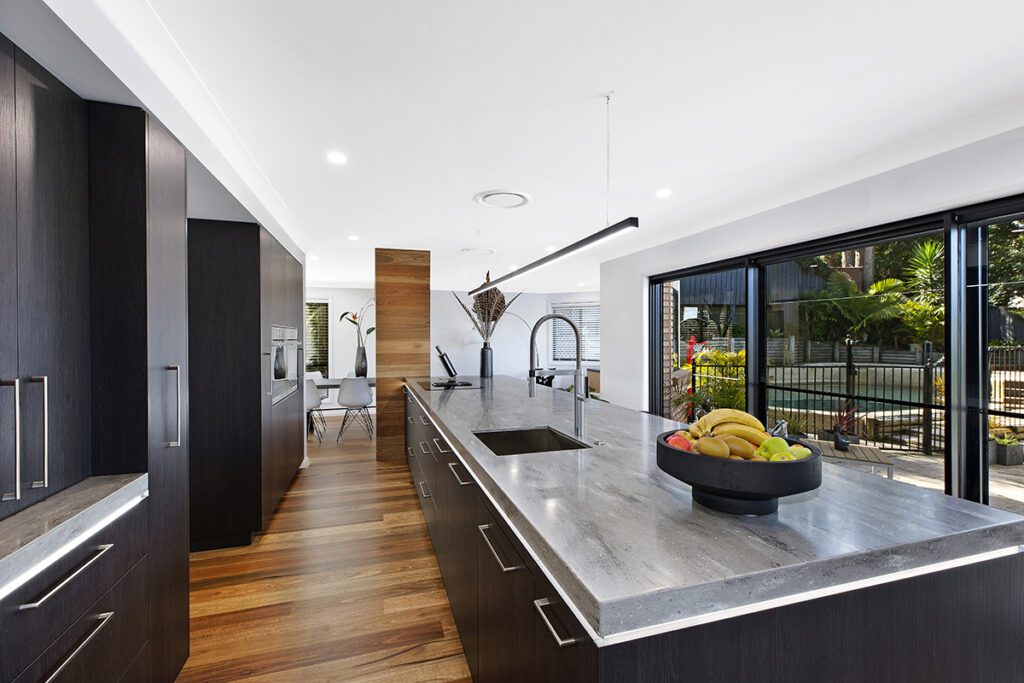
Countertop in Wyee Kitchen by Planit Kitchens
3. Plan for Accessible Storage
Innovative storage solutions can transform your custom kitchen. In terms of ergonomic design, ensure storage is easy to reach and suited to your needs. Ideas include:
- Pull-out drawers: Ideal for frequently used items.
- Overhead cabinets: Adjustable shelving for flexibility.
- Corner solutions: Lazy Susans or pull-out trays for hard-to-reach spots.
PLANIT Tip: For more ideas on storage, see our 8 expert storage solution tips for your custom kitchen
4. Lighting for Comfort and Functionality
Lighting plays a crucial role in your kitchen, shaping its functionality and atmosphere. Proper lighting reduces eye strain and enhances efficiency. Options include:
- Task lighting: Illuminate workspaces like countertops and stovetops.
- Ambient lighting: Create an overall welcoming atmosphere.
- Accent lighting: Highlight key design features.
PLANIT Tip: The right blend of natural and artificial lighting is key to creating the perfect ambience and ensuring task areas are well-lit. For more lighting ideas, read here
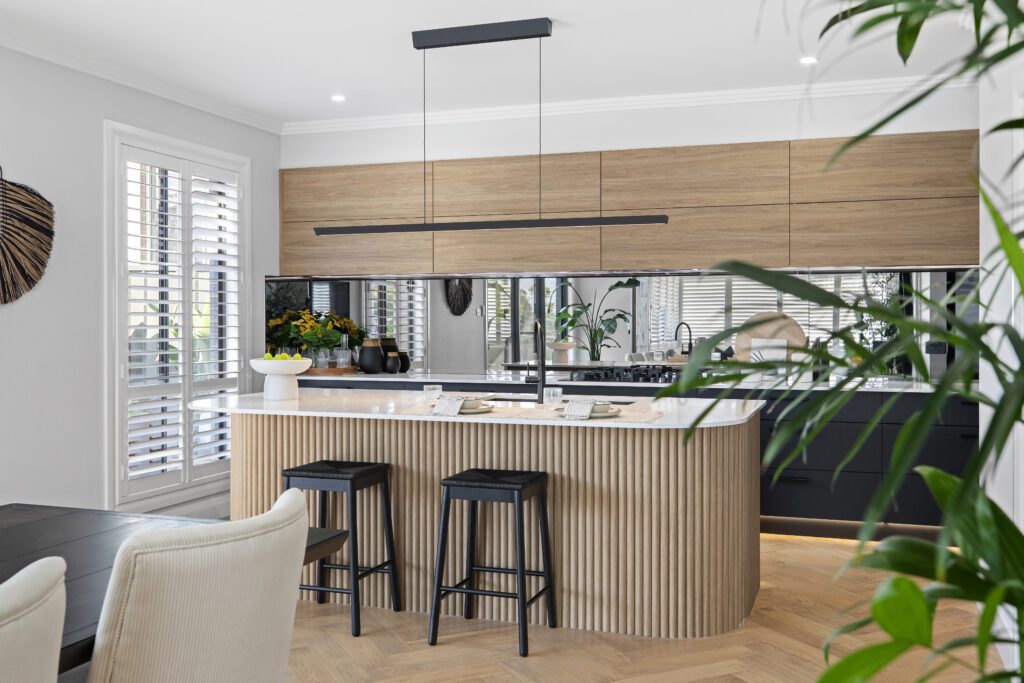
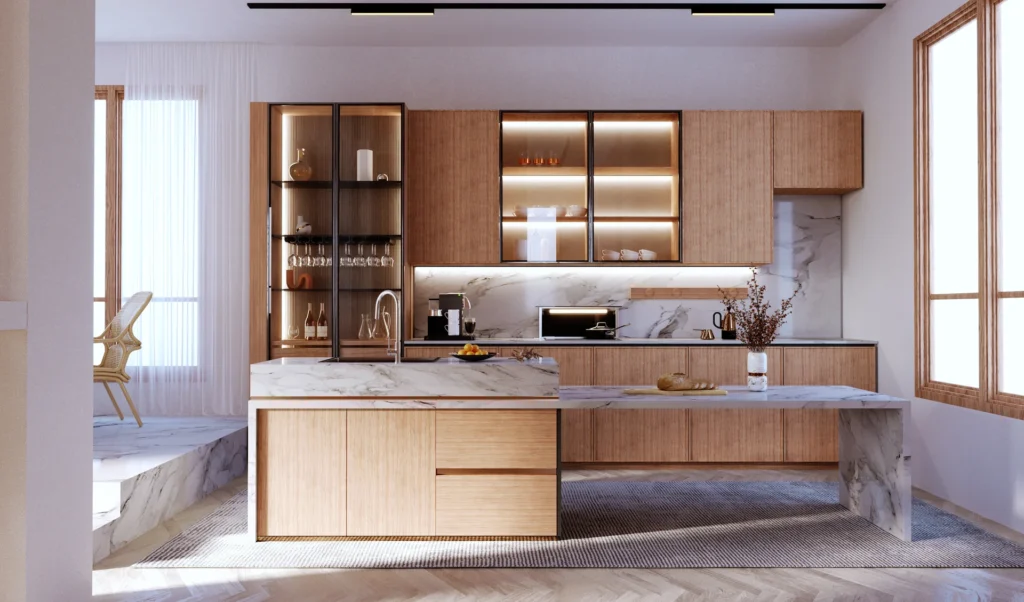
Natural light in Warnervale kitchen by Planit Kitchens
5. Flooring That Works for You
Kitchens are a staple in every home, but it’s easy to forget about what’s underfoot when you’re busy focusing on creating delicious meals. Ergonomic flooring minimises fatigue during long cooking sessions. Consider this:
- Soft materials: Cork or vinyl for added comfort.
- Anti-slip finishes: Ensure safety, especially in wet areas.
- Easy-to-clean surfaces: Simplify maintenance.
PLANIT Tip: Floor is both crucial for style and function—read here for more flooring ideas
Why Invest in an Ergonomic Kitchen Design?
An ergonomic kitchen enhances efficiency, reduces discomfort, and adds long-term value to your home. By carefully planning every detail, you’ll create a space that supports your lifestyle and daily needs.
Bringing It All Together: Comfort Meets Functionality
An ergonomic kitchen is a game-changer, combining efficiency with comfort for a space that works seamlessly for you. By incorporating these tips, you can create a kitchen that’s perfect for your lifestyle on the Central Coast.
Next steps:
- Learn more about our custom kitchen designs
- Visit our Central Coast showroom
- Any questions, contact us today
Sources: Grand Design Magazine ; The Kitchn ; Elle Decor ; Wikipedia